
Dreaming of a Pool at Home? Here’s Everything You Need Before You Build
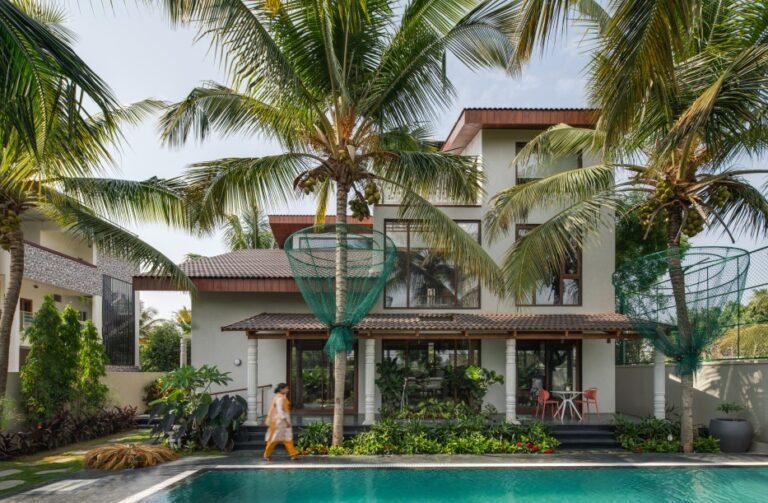
Many homeowners dream of a pool in their home, a place where the family can play, swim and relax together. It’s an exciting idea, but it’s also a big decision. Spending a little time on planning now will make the whole process much smoother. Planning a swimming pool design for homes starts with a few key decisions. Let’s walk through what you need to know first.
1. Start With Why You Want a Pool
Start with a simple question: how will you actually use it?
- Family fun: you’ll want a shallow area for kids.
- Exercise: a longer, narrow pool is better for swimming laps.
- Relaxing and parties: you may want seating, lights and a wide deck.
Knowing your purpose makes every other choice easier.
2. Check Your Space and Local Rules
Before you fall in love with the idea, take a walk around your yard. Not every yard can take a pool, and it’s better to find that out now than after the digging starts.
- Space: Is there room to walk around the pool and put a few chairs?
- Soil: Hard rock or soft, loose soil can make the digging harder and the bill bigger.
- Sunlight: A spot with good sun keeps the water warm and pleasant.
- Trees: Leaves fall in the water, and roots can damage the pool over time.
- Permission: Get the local authority’s approval before you start.
3. Think Like an Architect: Where and How the Pool Fits
A pool shouldn’t feel like a hole dug into your yard. It should feel like a natural part of your home and garden.
Position: A pool you can see from the living room or kitchen becomes part of daily life, and you can keep an eye on the kids while you work indoors. Sunlight matters too. A pool in deep shade stays cold and collects more leaves.
Shape: Straight, rectangular pools look clean and modern and are good for laps. Curved pools look resort-like, landscape-forward and naturally relaxed. Choose a shape that suits your home’s style and your plot size.
Landscape: Plants, stone and decking frame the pool and make it look complete. Pick plants that don’t drop many leaves into the water.
Privacy: Nobody relaxes when the neighbours can see everything. Hedges, screens, walls or well-placed trees help, and it’s easier to plan them from the start.
Views: Think about what you’ll see from the pool and from inside the house. Face the pool toward a pleasant garden or a feature wall, not a busy road.
Indoor and outdoor connection: A deck or patio near the house makes it easy to move between inside and outside. Wide doors, a shaded seating area and an outdoor shower make the space far more useful.
4. Choose the Right Type of Pool
Pick the pool that fits your budget and your yard.
Concrete pools: Very strong and built to last. You can choose any shape or size. They take more time to build, and the cost is more.
Fibreglass pools: Fibreglass is made in a factory. The surface is smooth and easy to clean. You get fewer shapes and sizes to choose from.
Vinyl-lined pools: Usually the cheapest to build. The liner has to be replaced every few years.
Above-ground pools: Quick and easy to set up, and easy on the wallet. They look less grand and may not last as long.
5. Plan Your Budget Carefully
The pool itself is only part of the cost. Decide your total budget first, then see how it divides up.
Where the money goes:
- Design and permits: Plans, drawings and the local authority’s approval fees.
- Construction: Excavation, the shell, plumbing, electrical work and finishing. This is usually the biggest share.
- Equipment: Pump, filter, lights and a heater if you want one.
- Deck and landscaping: Paving, plants, seating and privacy screens. These are easy to forget, but they add up quickly.
- Safety features: Fencing, a safety cover and non-slip flooring.
6. Pick a Builder You Can Trust
Your builder matters more than anything else. Before you hire one:
- Look at photos of their past projects.
- Talk to earlier customers if you can.
- Ask how long the work will take.
- Ask about the warranty.
- Get everything in writing.
7. How a Pool Gets Built
These are the pool-building processes:
- Design: Decide the size, shape and depth.
- Excavation: Mark the outline and dig out the area.
- Foundation: Lay the base and framework.
- Shell Building: Build the pool walls and floor.
- Plumbing and electrical: Fit the pump, filter and lights.
- Tiling: Add tiles or another finish to the walls and floor.
- Filling and testing: Fill the pool with water and check that everything works.
- Complete the deck: Build the area around the pool.
- Landscaping: Add plants and greenery around the space.
- Lighting: Put in lights for evenings and safety.
8. Safety Comes First
Water can be dangerous in seconds, especially with small children or pets around. Think about safety before you think about tiles and lights.
- Put up a fence or fit a proper safety cover.
- Use non-slip flooring around the pool, because wet floors get slippery fast.
- Mark the shallow and deep ends clearly.
- Never leave a child alone near the pool, not even for a minute.
9. Plan for Maintenance
Building the pool is only half the job. Looking after it takes on for years.
You’ll need to skim the surface, clean the floor, check the water chemistry and run the filter daily. The pump and other equipment also need service now and then. If that feels like too much, you can hire a pool maintenance service.
Bringing Your Pool Dream to Life
A pool at home can give a place to stay active and a lovely spot to unwind. A pool can also add value to your home. But the real secret is good planning. Know why you want it, set a budget that feels right, pick a pool type that suits your space, and choose a builder you trust. And take your time. Ask plenty of questions, compare quotes and take your time.