
Which Flooring Is Best for Your Home? Here’s How to Decide
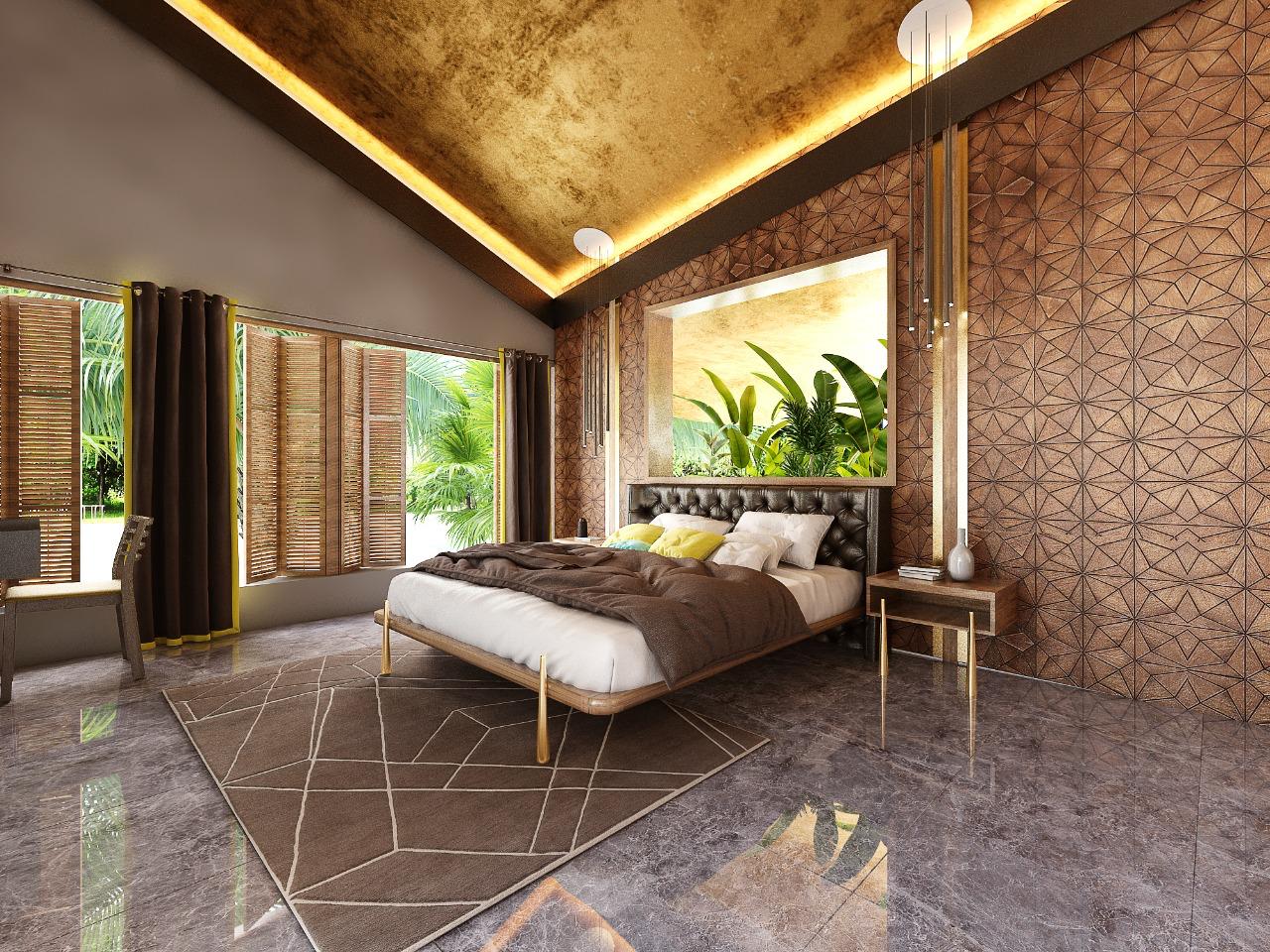
Almost every client who walks into our studio asks about flooring early on, and almost all of them ask it the same way: “Which one is the best?”
The honest answer is that there is no single best floor, only the best floor for your home, your family, and your budget. A material that looks stunning in a showroom can fail within two years in the wrong room. After more than 15+ years of designing homes, we’ve seen it happen often enough that we now start every flooring conversation with questions, not samples.
Here’s how we help clients decide.
1. Start with How Each Room Is Used
Before you look at a single tile, think about what happens in each space.
- Kitchens and bathrooms face water, spills, and grease. They need moisture-resistant, easy-to-clean surfaces.
- Living rooms take the most foot traffic and need durability as well as style.
- Bedrooms are about comfort, warmth, and quiet underfoot.
- Balconies and terraces face sun, rain, and temperature swings, so they need weatherproof, slip-resistant materials.
On a recent project in Bangalore, the client had their heart set on wooden flooring for the kitchen. We understood why: wood brings warmth, and it looked beautiful in their reference photos. But kitchens deal with spills, splashes, steam, and daily cleaning, and wood doesn’t handle that well. Even small amounts of water can cause swelling, warping, or staining over time, and Bangalore’s humid monsoon months make it worse.
We recommended tiles instead of a wooden floor. It gave the client the warm look they wanted while being water-resistant, easy to wipe clean, and far more durable under daily cooking. And the outcome is too good, and the client was happy with the result,and look nicely after few months later.
2. Consider Your Climate and Building Conditions
Flooring doesn’t live in a catalogue. It lives in your home, with your humidity, heat, and monsoon season.
In humid or coastal areas, solid wood can swell and warp. On ground floors, moisture can rise from below the slab. In sun-facing rooms, some materials fade or expand. Upper floors and older buildings have their own limits too, such as weight and uneven subfloors.
3. Know Your Main Options
Here’s a quick comparison of the materials we’re asked about most.
Material
Best For
Pros
Watch Out For
Vitrified tiles
Living areas, kitchens
Durable, low maintenance, wide design range
Cold underfoot, grout lines need upkeep
Natural stone (marble, granite, Kota, etc.)
Statement spaces, entryways
Timeless look, long life
Stains and scratches (especially on marble) need sealing and polishing
Engineered wood
Bedrooms, living rooms
Warm look, more stable than solid wood
Costly, can be damaged by standing water
Solid wood
Dry, well-controlled interiors
Rich, refinable finish
Sensitive to humidity and termites, high cost
Laminate
Budget-conscious rooms
Affordable, easy to install
Weak against moisture, can’t be refinished
Vinyl (LVT/SPC)
Kitchens, rentals, quick updates
Water-resistant, comfortable, quick install
Can look less premium, quality varies widely
Concrete / micro-cement
Modern, minimal interiors
Seamless, contemporary look
Needs skilled application, can crack without proper prep
4. Think About Cost Over Time, Not Just Price Per Square Foot
A cheaper floor isn’t always the cheaper choice. Look at three costs:
- Material and installation: the number on the quote.
- Maintenance: polishing, sealing, special cleaners, or refinishing.
- Replacement: how soon you’ll need to redo it.
Good subfloor preparation and skilled installation also affect how long any floor lasts, and they’re worth budgeting for.
5. Let the Floor Support Your Design
Flooring covers more surface area than almost anything else in your home, so it shapes the entire look.
- Light tones make small rooms feel bigger and brighter.
- Dark tones add visual clarity, depth and dramatic contrast but show dust and scratches more.
- Wood tones suit bedrooms and living rooms, since that’s where most people want a warm, relaxed feel.
- Large tiles suit smaller apartments because with fewer grout lines, the floor looks less busy.
6. Consider Your Household
Who lives in the home matters as much as how it looks.
- Children and elderly family members: choose slip-resistant, softer-feeling surfaces.
- Pets: scratch-resistant and easy-to-clean materials will save you stress.
- Allergies: hard surfaces are easier to keep dust-free than carpet.
- Hosting often: durable, easy-to-maintain floors handle the crowd.
7. Mistakes to Avoid
We see the same few mistakes repeatedly:
- Choosing from a small sample alone. A 12-inch swatch won’t show you how a floor looks across an entire room. Ask to see larger pieces or completed installations.
- Ignoring slip resistance. This is especially important in bathrooms, balconies, and entryways.
- Skipping subfloor preparation. An uneven or damp base ruins even expensive flooring.
- Forgetting transitions. Plan how floors meet between rooms so the changes look intentional.
- Following trends blindly. Pick something you’ll still love in ten years.
A Quick Checklist Before You Decide
- What is each room used for?
- How does the material handle moisture and heat in our climate?
- What are the maintenance needs and total long-term cost?
- Is it safe for everyone in the household?
- Does it work with the overall design?
Let’s Find the Right Floor for Your Home
The best flooring isn’t the most expensive or the most fashionable. It’s the one that fits how you live and looks good doing it. If you’re planning a new home or a renovation and aren’t sure where to start, our team at The Banyan Studio can walk you through the options and show you real examples from our projects.
Ready to plan your space? Book a consultation with The Banyan Studio